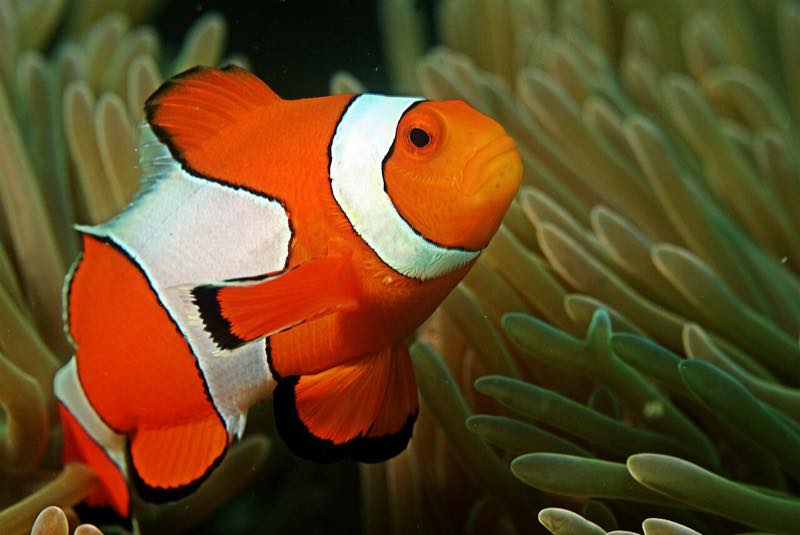
Ocellaris clownfish
Amphiprion ocellaris
Good first fish
- Care
- Beginner
- Adult size
- 11 cm
- Tank from
- 76 litres
- Temperament
- Peaceful
- Corals
- Reef safe
Photo Ritiks, CC BY-SA 3.0
Free reef tank guide for the UK and Europe
Seafan is a free guide for new and improving reef keepers: the setup path in order, fish and coral profiles with tank sizes in litres, and plain answers where the experts disagree.
Start here
A reef tank rewards patience and punishes shortcuts. Most losses in the first year come from moving too fast: adding fish before the tank has cycled, buying a fish that needs three times the tank you have, or skipping quarantine. Seafan puts the steps in order and explains why each one matters, so you can decide for yourself.
The pages that matter most
Ten stages in order, each with a test to pass before you move on.
Every brand's cycled claim against the ammonia test that settles it.
Every published alkalinity, calcium and nutrient target, dated, and why they differ.
Eleven ways to run a reef side by side, with cost, effort and what each assumes.
Short numbered steps for a power cut, a hot tank, an overdose, a leak or sudden deaths.
If something is going wrong now
Do these first, then open the full playbook for the reasons, recovery and prevention.
Species
Hardy, easy to feed and widely sold captive-bred, which usually means less disease risk and no fish taken from a reef. Every profile says what each fish clashes with and why.
Amphiprion ocellaris
Good first fish
Photo Ritiks, CC BY-SA 3.0
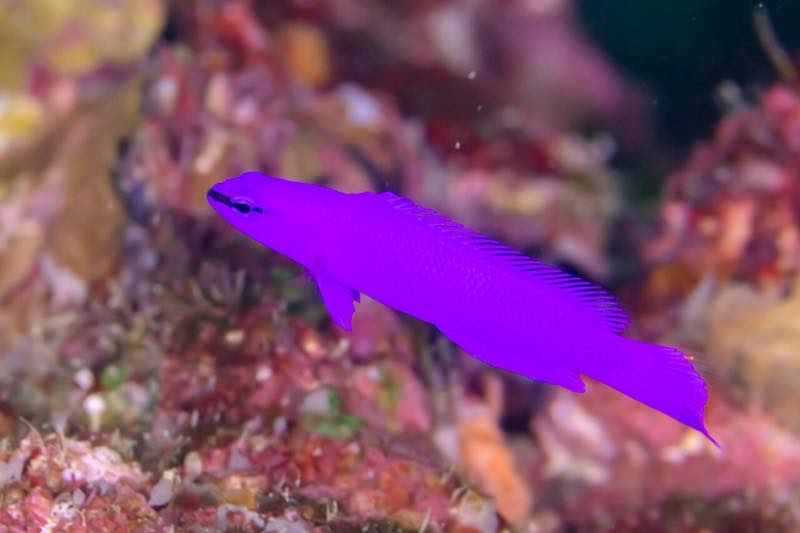
Pseudochromis fridmani
Good first fish
Photo Diego Delso, CC BY-SA 4.0
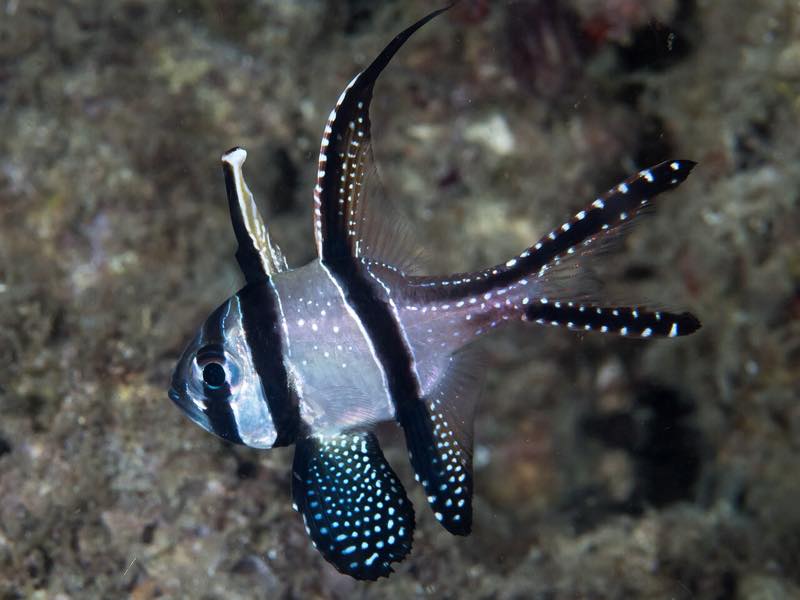
Pterapogon kauderni
Good first fish
Photo Rickard Zerpe, CC BY 2.0
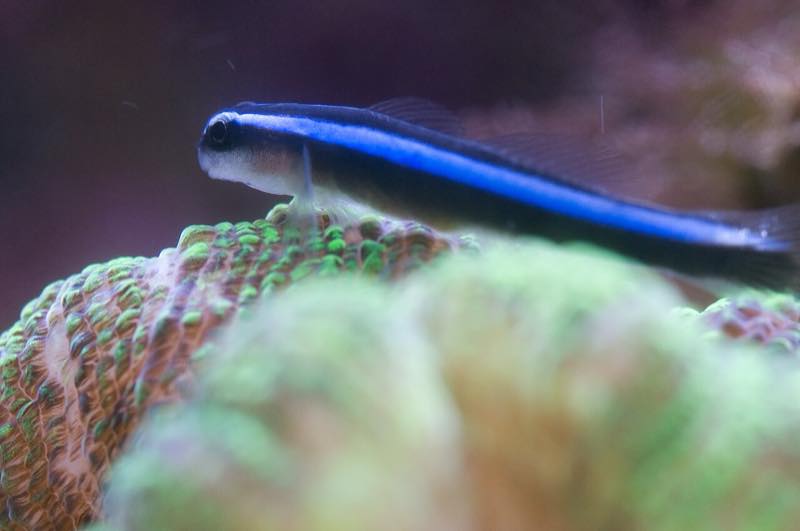
Elacatinus oceanops
Good first fish
Photo Jmk7, CC BY-SA 3.0
An honest note on sources
We learn from BRS TV, Red Sea, Triton, Tropic Marin, Reef Builders, Practical Fishkeeping, UK shops and many keepers. Seafan is independent and not affiliated with any of them: we write everything in our own words, say who said what, and link to their pages so you can read them yourself.
Every page lists its sources with the date we read them. Figures we saw only in a search summary are marked typical, check. If you spot a mistake, email products@cameronshields.co.uk.
Read how we choose and check sources
Species profiles last checked . How we check
Yes. Seafan is a free guide with no paid tier, no adverts and no affiliate links. It is a trading name of Cameron Shields Ltd.
No. We read and link to their guides, manuals and videos, but Seafan is independent and has no affiliation with any brand, shop or forum.
Most care sheets give US gallons, which are smaller than UK gallons. We give litres first, with UK and US gallons on request, so 100 US gallons (379 litres) is never mistaken for 100 UK gallons (455 litres).
It marks a figure we found only in a search summary, not on a page we read in full. Treat it as a typical value and check it before you rely on it.
Email products@cameronshields.co.uk with the page and what you think is wrong, with a source if you have one. We check every report and correct the page with a new date.