SPS
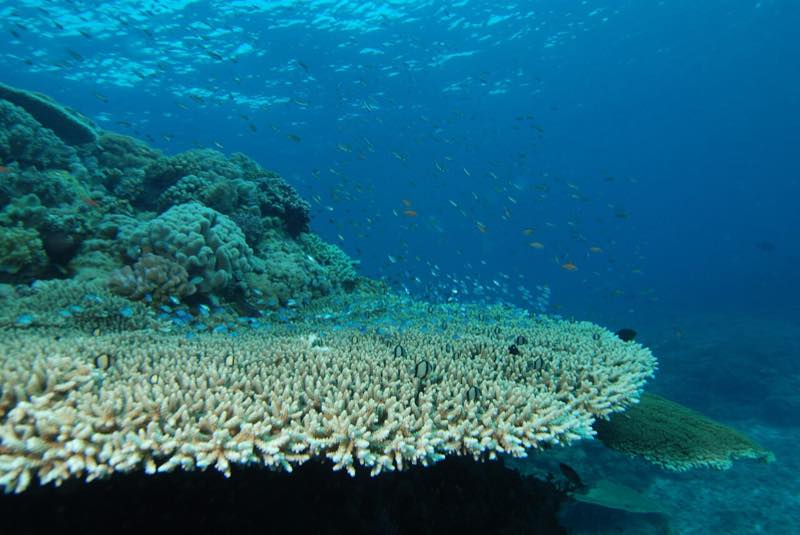
Acropora
Acropora spp.
Also sold as Acro (staghorn, tabling, bottlebrush and others)

- Type
- SPS
- Care level
- Advanced
- Light
- 200 to 400 PAR (high)
- Flow
- High
- With neighbours
- Peaceful
Safety: handling acropora
Low hazard
How do you care for acropora?
Placement
Upper third
Flow
Strong, random
Feeding
Optional; may improve colour and growth typical, check
Growth
Moderate to fast once settled
Water quality
Needs stable, elevated calcium, alkalinity and magnesium, often by doser or reactor; mature tank typical, check
How much light does it need?
Sources put it at about 200 to 400 PAR, measured where the coral sits. Start a new coral at the low end and raise it over weeks.
200 to 350 to start; SPS 200 to 500+; BRS notes 200 to 400 brings colour with slightly slower growth. Colour may need more light than survival does.
Which neighbours are safe?
Low sting; vulnerable to most LPS sweepers
Keep clear of LPS sweepers and leathers
Fish
Fish known to nip this group of corals, or small enough to be caught by it.
Avoid together (1)
- Harlequin filefishHarlequin filefish feeds on Acropora and will strip them.
Take care (6)
- Yellow clown gobyYellow clown goby may nip Acropora, more so when underfed.
- Lawnmower blennyLawnmower blenny may nip Acropora, more so when underfed.
- Tailspot blennyTailspot blenny may nip Acropora, more so when underfed.
- Coral beautyCoral beauty may nip Acropora, more so when underfed.
- Flame angelfishFlame angelfish may nip Acropora, more so when underfed.
- Moorish idolMoorish idol may nip Acropora, more so when underfed.
Other corals
Corals that can harm this one if placed too close.
Take care (12)
- Toadstool leatherToadstool leather releases chemicals that can harm SPS such as the acropora; run activated carbon.
- Finger leatherFinger leather releases chemicals that can harm SPS such as the acropora; run activated carbon.
- Hammer coralHammer coral stings neighbours up to about 15 cm away at night; keep the acropora out of reach.
- Frogspawn coralFrogspawn coral stings neighbours; keep the acropora out of reach.
- Torch coralTorch coral stings neighbours; keep the acropora out of reach.
- GalaxeaGalaxea stings neighbours up to about 15 cm away at night; keep the acropora out of reach.
- Horn coralHorn coral stings neighbours; keep the acropora out of reach.
- Fire coral (not Acropora millepora)Fire coral (not Acropora millepora) stings neighbours; keep the acropora out of reach.
- Bubble tip anemoneBubble tip anemone stings neighbours; keep the acropora out of reach.
- Mini maxiMini maxi stings neighbours; keep the acropora out of reach.
- Carpet anemones (Haddon's, giant)Carpet anemones (Haddon's, giant) stings neighbours; keep the acropora out of reach.
- Ritteri anemoneRitteri anemone stings neighbours; keep the acropora out of reach.
Invertebrates
Invertebrates that may nip corals when hungry.
Take care (3)
- Emerald crabSome emerald crabs nip corals when hungry.
- Peppermint shrimpSome peppermint shrimps nip corals when hungry.
- Camel shrimpSome camel shrimps nip corals when hungry.
These checks follow the reasons fish and invertebrates clash: same species or genus, similar shape, mouth size, temperament, food, burrows, tank size and the order they are added. Individual animals differ; every source agrees on that.
Pests, dips and quarantine
AEFW (Prosthiostomum, also called Amakusaplana, acroporae): brown oval worms, bite marks, egg clusters at the tissue edge or on exposed skeleton. Red bugs (Tegastes acroporanus) copepods. Hitchhiking gorilla crabs on maricultured colonies
AEFW: dips kill adults but not eggs; scrape eggs off; re-treat after the eggs' development time and before new worms mature, about 13 to 31 days after the first treatment at 28 C; eggs take about 9 days to hatch at 30 C and 26 days at 21 C; quarantine between treatments. Red bugs: hobbyists use milbemycin oxime (a prescription-only veterinary drug) in the tank, which harms crabs and other crustaceans.
No dip reliably kills pest eggs, so a dip lowers the risk rather than removing it. Inspect new frags with a torch after lights out, including the underside and the plug.
Where sources disagree
| Topic | What sources say | Our reading |
|---|---|---|
| Light (PAR) |
| We give 200 to 400 PAR. Start a new coral at the low end and raise it slowly. |
Sources
- Queen City Corals Acropora guide
- Charterhouse Aquatics (UK) lighting guide, 1 Jun 2026
- BRS lighting guide, updated 17 May 2019
- Reef Builders AEFW, 9 Jan 2017
- Frontiers in Marine Science 2019, AEFW life cycle and temperature (James Cook University, AIMS and others)
- Reefs.com red bug milbemycin protocol
- Reef Builders de-crab cultured Acropora, 2020
Last checked . How we check
Found a mistake? Tell us how to fix it.
Related corals
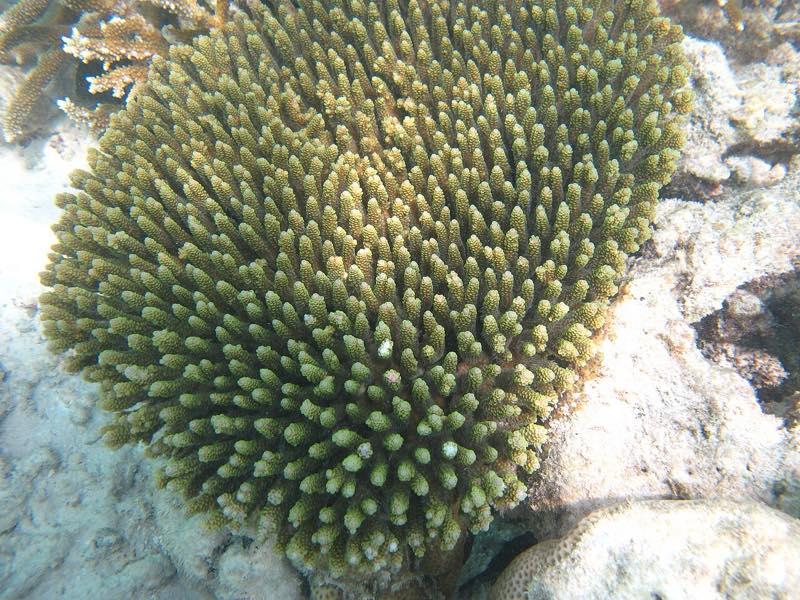
Acropora millepora
Acropora millepora
- Care
- Advanced
- Light
- High
- Flow
- High
- Neighbours
- Peaceful
Photo MDC Seamarc Maldives, CC BY-SA 4.0