LPS
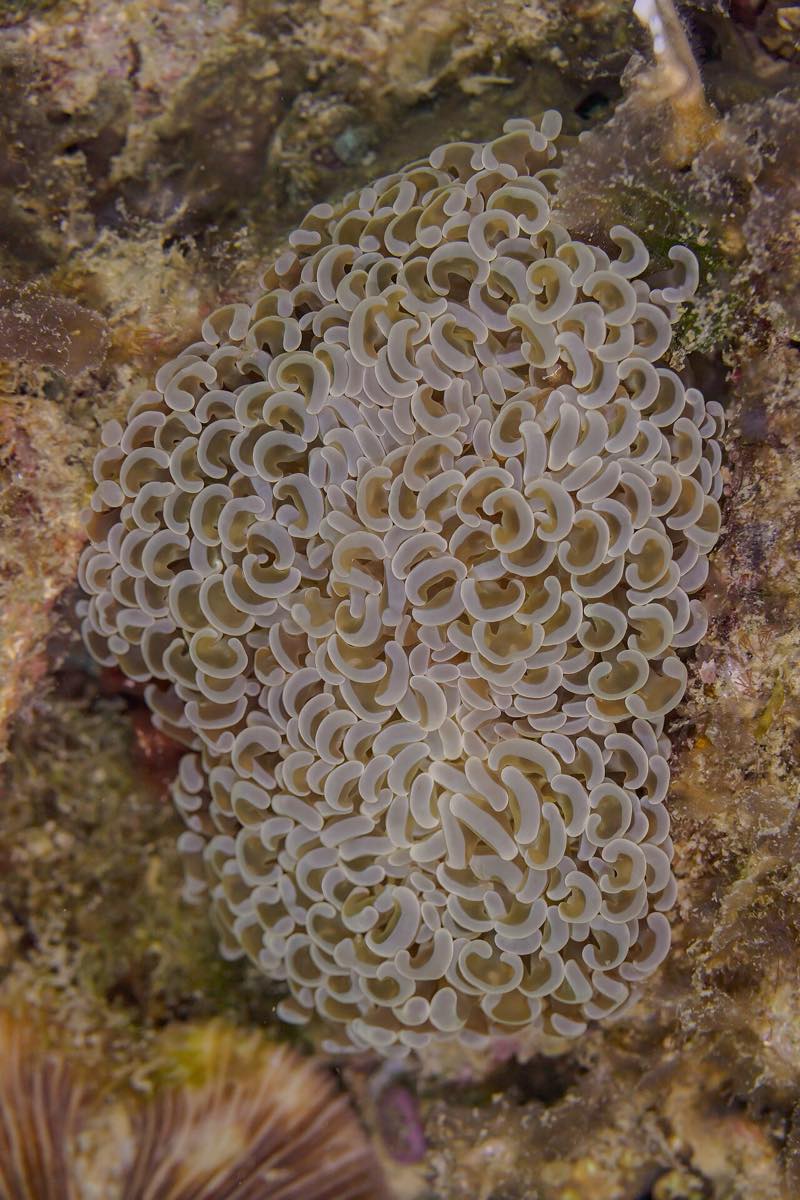
Hammer coral
Fimbriaphyllia ancora (formerly Euphyllia ancora); branching forms include F. paraancora
Also sold as Anchor coral (wall and branching forms)

- Type
- LPS
- Care level
- Intermediate
- Light
- 75 to 200 PAR (medium)
- Flow
- Medium
- With neighbours
- Stings neighbours
- Sweeper reach
- About 15 cm at night
Safety: handling hammer coral
Stings neighbours; low risk to people
How do you care for hammer coral?
Placement
Lower to mid rock or sand-level rock
Flow
Moderate, indirect
Feeding
Optional small meaty foods
Growth
Moderate
Water quality
Alkalinity swings linked to recession and brown jelly in Euphyllia typical, check
How much light does it need?
Sources put it at about 75 to 200 PAR, measured where the coral sits. Start a new coral at the low end and raise it over weeks.
Moderate light. LPS 75 to 200 PAR.
Which neighbours are safe?
Aggressive: sweeper tentacles reported to about 15 cm (6 in) at night typical, check
15 cm or more from non-Euphyllia corals
Fish
Fish known to nip this group of corals, or small enough to be caught by it.
Take care (9)
- Lawnmower blennyLawnmower blenny may nip LPS corals, more so when underfed.
- Bicolor blennyBicolor blenny may nip LPS corals, more so when underfed.
- Tailspot blennyTailspot blenny may nip LPS corals, more so when underfed.
- Coral beautyCoral beauty may nip LPS corals, more so when underfed.
- Flame angelfishFlame angelfish may nip LPS corals, more so when underfed.
- Cherub angelfishCherub angelfish may nip LPS corals, more so when underfed.
- Foxface rabbitfishFoxface rabbitfish may nip LPS corals, more so when underfed.
- Moorish idolMoorish idol may nip LPS corals, more so when underfed.
- Copperband butterflyfishCopperband butterflyfish may nip LPS corals, more so when underfed.
Other corals
This coral stings. Give these neighbours space.
Take care (44)
- ZoanthidsHammer coral stings neighbours up to about 15 cm away at night; keep the zoanthids out of reach.
- PalythoaHammer coral stings neighbours up to about 15 cm away at night; keep the palythoa out of reach.
- Mushroom coralHammer coral stings neighbours up to about 15 cm away at night; keep the mushroom coral out of reach.
- Hairy mushroomHammer coral stings neighbours up to about 15 cm away at night; keep the hairy mushroom out of reach.
- Florida ricordeaHammer coral stings neighbours up to about 15 cm away at night; keep the florida ricordea out of reach.
- Yuma ricordeaHammer coral stings neighbours up to about 15 cm away at night; keep the yuma ricordea out of reach.
- Toadstool leatherHammer coral stings neighbours up to about 15 cm away at night; keep the toadstool leather out of reach.
- Finger leatherHammer coral stings neighbours up to about 15 cm away at night; keep the finger leather out of reach.
- XeniaHammer coral stings neighbours up to about 15 cm away at night; keep the xenia out of reach.
- Pulsing xeniaHammer coral stings neighbours up to about 15 cm away at night; keep the pulsing xenia out of reach.
- Waving hand coralHammer coral stings neighbours up to about 15 cm away at night; keep the waving hand coral out of reach.
- Green star polypsHammer coral stings neighbours up to about 15 cm away at night; keep the green star polyps out of reach.
- Clove polypsHammer coral stings neighbours up to about 15 cm away at night; keep the clove polyps out of reach.
- Kenya treeHammer coral stings neighbours up to about 15 cm away at night; keep the kenya tree out of reach.
- Frogspawn coralHammer coral stings neighbours up to about 15 cm away at night; keep the frogspawn coral out of reach. Frogspawn coral stings neighbours; keep the hammer coral out of reach.
- Torch coralHammer coral stings neighbours up to about 15 cm away at night; keep the torch coral out of reach. Torch coral stings neighbours; keep the hammer coral out of reach.
- Duncan coralHammer coral stings neighbours up to about 15 cm away at night; keep the duncan coral out of reach.
- AcanHammer coral stings neighbours up to about 15 cm away at night; keep the acan out of reach.
- FaviaHammer coral stings neighbours up to about 15 cm away at night; keep the favia out of reach.
- FavitesHammer coral stings neighbours up to about 15 cm away at night; keep the favites out of reach.
- Chalice coralHammer coral stings neighbours up to about 15 cm away at night; keep the chalice coral out of reach.
- BlastomussaHammer coral stings neighbours up to about 15 cm away at night; keep the blastomussa out of reach.
- Candy cane coralHammer coral stings neighbours up to about 15 cm away at night; keep the candy cane coral out of reach.
- Bubble coralHammer coral stings neighbours up to about 15 cm away at night; keep the bubble coral out of reach.
- GonioporaHammer coral stings neighbours up to about 15 cm away at night; keep the goniopora out of reach.
- AlveoporaHammer coral stings neighbours up to about 15 cm away at night; keep the alveopora out of reach.
- Open brain coralHammer coral stings neighbours up to about 15 cm away at night; keep the open brain coral out of reach.
- LoboHammer coral stings neighbours up to about 15 cm away at night; keep the lobo out of reach.
- GalaxeaHammer coral stings neighbours up to about 15 cm away at night; keep the galaxea out of reach. Galaxea stings neighbours up to about 15 cm away at night; keep the hammer coral out of reach.
- Scroll coralHammer coral stings neighbours up to about 15 cm away at night; keep the scroll coral out of reach.
- Montipora capricornisHammer coral stings neighbours up to about 15 cm away at night; keep the montipora capricornis out of reach.
- Montipora digitataHammer coral stings neighbours up to about 15 cm away at night; keep the montipora digitata out of reach.
- AcroporaHammer coral stings neighbours up to about 15 cm away at night; keep the acropora out of reach.
- Acropora milleporaHammer coral stings neighbours up to about 15 cm away at night; keep the acropora millepora out of reach.
- PocilloporaHammer coral stings neighbours up to about 15 cm away at night; keep the pocillopora out of reach.
- StylophoraHammer coral stings neighbours up to about 15 cm away at night; keep the stylophora out of reach.
- Birdsnest coralHammer coral stings neighbours up to about 15 cm away at night; keep the birdsnest coral out of reach.
- Horn coralHammer coral stings neighbours up to about 15 cm away at night; keep the horn coral out of reach. Horn coral stings neighbours; keep the hammer coral out of reach.
- Fire coral (not Acropora millepora)Hammer coral stings neighbours up to about 15 cm away at night; keep the fire coral (not Acropora millepora) out of reach. Fire coral (not Acropora millepora) stings neighbours; keep the hammer coral out of reach.
- Bubble tip anemoneHammer coral stings neighbours up to about 15 cm away at night; keep the bubble tip anemone out of reach. Bubble tip anemone stings neighbours; keep the hammer coral out of reach.
- Rock flower anemoneHammer coral stings neighbours up to about 15 cm away at night; keep the rock flower anemone out of reach.
- Mini maxiHammer coral stings neighbours up to about 15 cm away at night; keep the mini maxi out of reach. Mini maxi stings neighbours; keep the hammer coral out of reach.
- Carpet anemones (Haddon's, giant)Hammer coral stings neighbours up to about 15 cm away at night; keep the carpet anemones (Haddon's, giant) out of reach. Carpet anemones (Haddon's, giant) stings neighbours; keep the hammer coral out of reach.
- Ritteri anemoneHammer coral stings neighbours up to about 15 cm away at night; keep the ritteri anemone out of reach. Ritteri anemone stings neighbours; keep the hammer coral out of reach.
Invertebrates
Invertebrates that may nip corals when hungry.
Take care (3)
- Emerald crabSome emerald crabs nip corals when hungry.
- Peppermint shrimpSome peppermint shrimps nip corals when hungry.
- Camel shrimpSome camel shrimps nip corals when hungry.
These checks follow the reasons fish and invertebrates clash: same species or genus, similar shape, mouth size, temperament, food, burrows, tank size and the order they are added. Individual animals differ; every source agrees on that.
Pests, dips and quarantine
Euphyllia-eating flatworms hide at the skeleton base typical, check
Dip and inspect the skeleton base; brown jelly cases are often isolated and dipped typical, check
No dip reliably kills pest eggs, so a dip lowers the risk rather than removing it. Inspect new frags with a torch after lights out, including the underside and the plug.
Sources
Last checked . How we check
Found a mistake? Tell us how to fix it.
Related corals
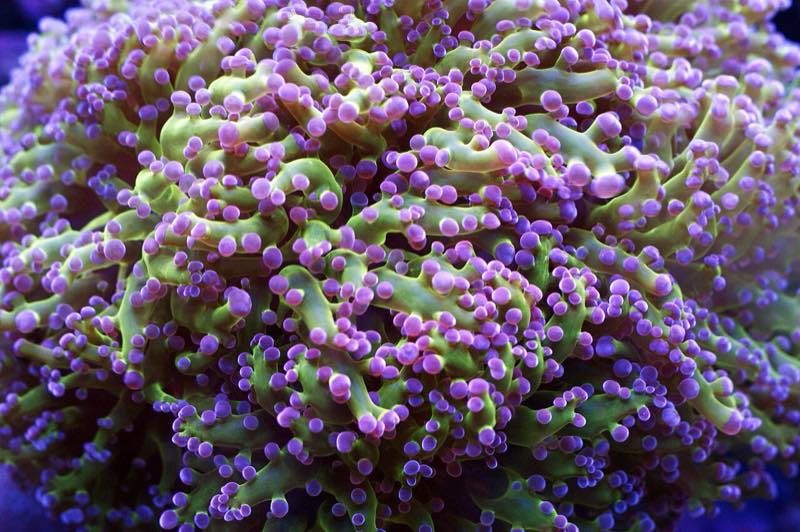
Frogspawn coral
Fimbriaphyllia divisa (formerly Euphyllia divisa)
- Care
- Intermediate
- Light
- Medium
- Flow
- Medium
- Neighbours
- Stings neighbours
Photo Gdiggers, CC BY-SA 3.0
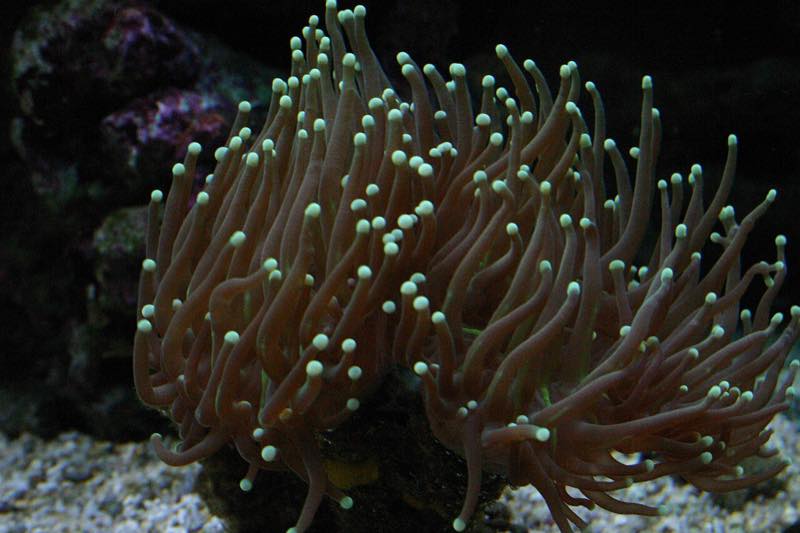
Torch coral
Euphyllia glabrescens (also E. yaeyamaensis)
- Care
- Advanced
- Light
- Medium
- Flow
- Medium
- Neighbours
- Stings neighbours
Photo Josuevg, CC BY-SA 3.0
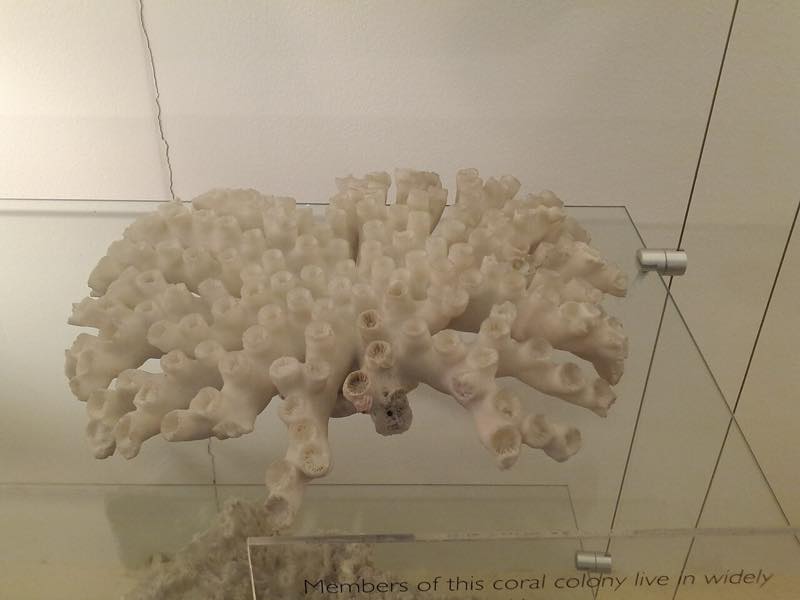
Duncan coral
Duncanopsammia axifuga
- Care
- Beginner
- Light
- Medium
- Flow
- Medium
- Neighbours
- Peaceful
Photo Kinkreet, CC BY-SA 3.0
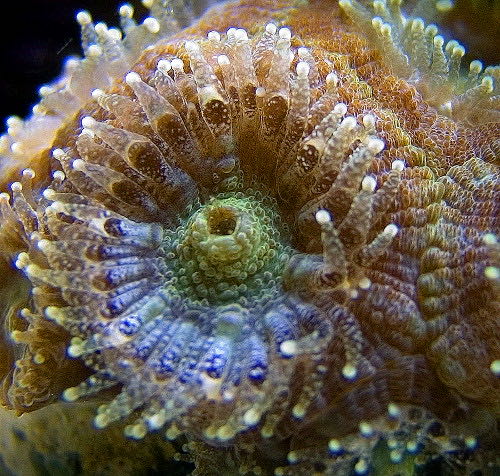
Acan
Micromussa lordhowensis (formerly Acanthastrea lordhowensis)
- Care
- Intermediate
- Light
- Low
- Flow
- Low
- Neighbours
- Spreads or stings mildly
Photo Haplochromis, CC BY 2.5