LPS
Torch coral
Euphyllia glabrescens (also E. yaeyamaensis)
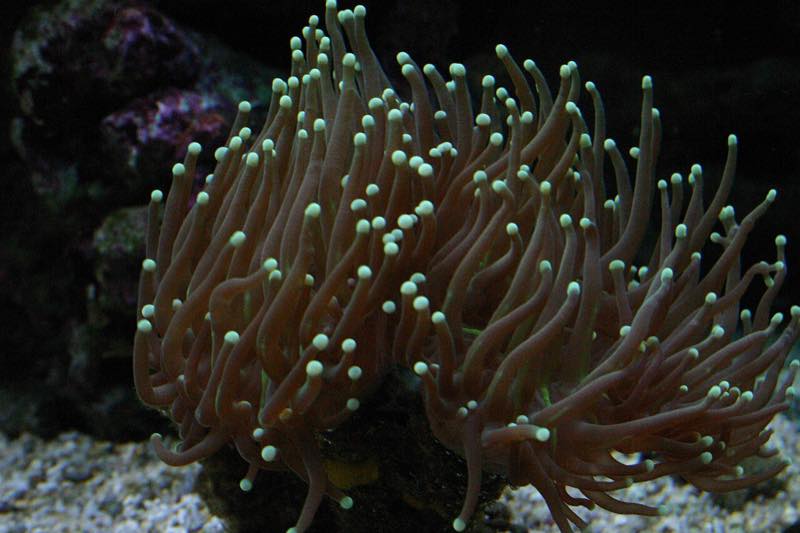

- Type
- LPS
- Care level
- Intermediate to advanced
- Light
- 75 to 200 PAR (medium)
- Flow
- Medium
- With neighbours
- Stings neighbours
Safety: handling torch coral
Low risk to people
How do you care for torch coral?
Placement
Lower to mid rock
Flow
Medium to low, indirect; strong direct flow tears tissue typical, check
Feeding
Optional
Growth
Moderate
Water quality
Most demanding Euphyllia. A 2 dKH alkalinity jump reported to cause overnight recession; brown jelly typical, check
How much light does it need?
Sources put it at about 75 to 200 PAR, measured where the coral sits. Start a new coral at the low end and raise it over weeks.
Which neighbours are safe?
Most aggressive of the common Euphyllia; sweepers reported at two to three times normal tentacle length typical, check
15 cm or more; keep apart from other Euphyllia
Fish
Fish known to nip this group of corals, or small enough to be caught by it.
Take care (9)
- Lawnmower blennyLawnmower blenny may nip LPS corals, more so when underfed.
- Bicolor blennyBicolor blenny may nip LPS corals, more so when underfed.
- Tailspot blennyTailspot blenny may nip LPS corals, more so when underfed.
- Coral beautyCoral beauty may nip LPS corals, more so when underfed.
- Flame angelfishFlame angelfish may nip LPS corals, more so when underfed.
- Cherub angelfishCherub angelfish may nip LPS corals, more so when underfed.
- Foxface rabbitfishFoxface rabbitfish may nip LPS corals, more so when underfed.
- Moorish idolMoorish idol may nip LPS corals, more so when underfed.
- Copperband butterflyfishCopperband butterflyfish may nip LPS corals, more so when underfed.
Other corals
This coral stings. Give these neighbours space.
Take care (44)
- ZoanthidsTorch coral stings neighbours; keep the zoanthids out of reach.
- PalythoaTorch coral stings neighbours; keep the palythoa out of reach.
- Mushroom coralTorch coral stings neighbours; keep the mushroom coral out of reach.
- Hairy mushroomTorch coral stings neighbours; keep the hairy mushroom out of reach.
- Florida ricordeaTorch coral stings neighbours; keep the florida ricordea out of reach.
- Yuma ricordeaTorch coral stings neighbours; keep the yuma ricordea out of reach.
- Toadstool leatherTorch coral stings neighbours; keep the toadstool leather out of reach.
- Finger leatherTorch coral stings neighbours; keep the finger leather out of reach.
- XeniaTorch coral stings neighbours; keep the xenia out of reach.
- Pulsing xeniaTorch coral stings neighbours; keep the pulsing xenia out of reach.
- Waving hand coralTorch coral stings neighbours; keep the waving hand coral out of reach.
- Green star polypsTorch coral stings neighbours; keep the green star polyps out of reach.
- Clove polypsTorch coral stings neighbours; keep the clove polyps out of reach.
- Kenya treeTorch coral stings neighbours; keep the kenya tree out of reach.
- Hammer coralTorch coral stings neighbours; keep the hammer coral out of reach. Hammer coral stings neighbours up to about 15 cm away at night; keep the torch coral out of reach.
- Frogspawn coralTorch coral stings neighbours; keep the frogspawn coral out of reach. Frogspawn coral stings neighbours; keep the torch coral out of reach.
- Duncan coralTorch coral stings neighbours; keep the duncan coral out of reach.
- AcanTorch coral stings neighbours; keep the acan out of reach.
- FaviaTorch coral stings neighbours; keep the favia out of reach.
- FavitesTorch coral stings neighbours; keep the favites out of reach.
- Chalice coralTorch coral stings neighbours; keep the chalice coral out of reach.
- BlastomussaTorch coral stings neighbours; keep the blastomussa out of reach.
- Candy cane coralTorch coral stings neighbours; keep the candy cane coral out of reach.
- Bubble coralTorch coral stings neighbours; keep the bubble coral out of reach.
- GonioporaTorch coral stings neighbours; keep the goniopora out of reach.
- AlveoporaTorch coral stings neighbours; keep the alveopora out of reach.
- Open brain coralTorch coral stings neighbours; keep the open brain coral out of reach.
- LoboTorch coral stings neighbours; keep the lobo out of reach.
- GalaxeaTorch coral stings neighbours; keep the galaxea out of reach. Galaxea stings neighbours up to about 15 cm away at night; keep the torch coral out of reach.
- Scroll coralTorch coral stings neighbours; keep the scroll coral out of reach.
- Montipora capricornisTorch coral stings neighbours; keep the montipora capricornis out of reach.
- Montipora digitataTorch coral stings neighbours; keep the montipora digitata out of reach.
- AcroporaTorch coral stings neighbours; keep the acropora out of reach.
- Acropora milleporaTorch coral stings neighbours; keep the acropora millepora out of reach.
- PocilloporaTorch coral stings neighbours; keep the pocillopora out of reach.
- StylophoraTorch coral stings neighbours; keep the stylophora out of reach.
- Birdsnest coralTorch coral stings neighbours; keep the birdsnest coral out of reach.
- Horn coralTorch coral stings neighbours; keep the horn coral out of reach. Horn coral stings neighbours; keep the torch coral out of reach.
- Fire coral (not Acropora millepora)Torch coral stings neighbours; keep the fire coral (not Acropora millepora) out of reach. Fire coral (not Acropora millepora) stings neighbours; keep the torch coral out of reach.
- Bubble tip anemoneTorch coral stings neighbours; keep the bubble tip anemone out of reach. Bubble tip anemone stings neighbours; keep the torch coral out of reach.
- Rock flower anemoneTorch coral stings neighbours; keep the rock flower anemone out of reach.
- Mini maxiTorch coral stings neighbours; keep the mini maxi out of reach. Mini maxi stings neighbours; keep the torch coral out of reach.
- Carpet anemones (Haddon's, giant)Torch coral stings neighbours; keep the carpet anemones (Haddon's, giant) out of reach. Carpet anemones (Haddon's, giant) stings neighbours; keep the torch coral out of reach.
- Ritteri anemoneTorch coral stings neighbours; keep the ritteri anemone out of reach. Ritteri anemone stings neighbours; keep the torch coral out of reach.
Invertebrates
Invertebrates that may nip corals when hungry.
Take care (3)
- Emerald crabSome emerald crabs nip corals when hungry.
- Peppermint shrimpSome peppermint shrimps nip corals when hungry.
- Camel shrimpSome camel shrimps nip corals when hungry.
These checks follow the reasons fish and invertebrates clash: same species or genus, similar shape, mouth size, temperament, food, burrows, tank size and the order they are added. Individual animals differ; every source agrees on that.
Pests, dips and quarantine
Euphyllia-eating flatworm at skeleton base; dipping recommended typical, check
Dip; inspect base
No dip reliably kills pest eggs, so a dip lowers the risk rather than removing it. Inspect new frags with a torch after lights out, including the underside and the plug.
Sources
Last checked . How we check
Found a mistake? Tell us how to fix it.
Related corals
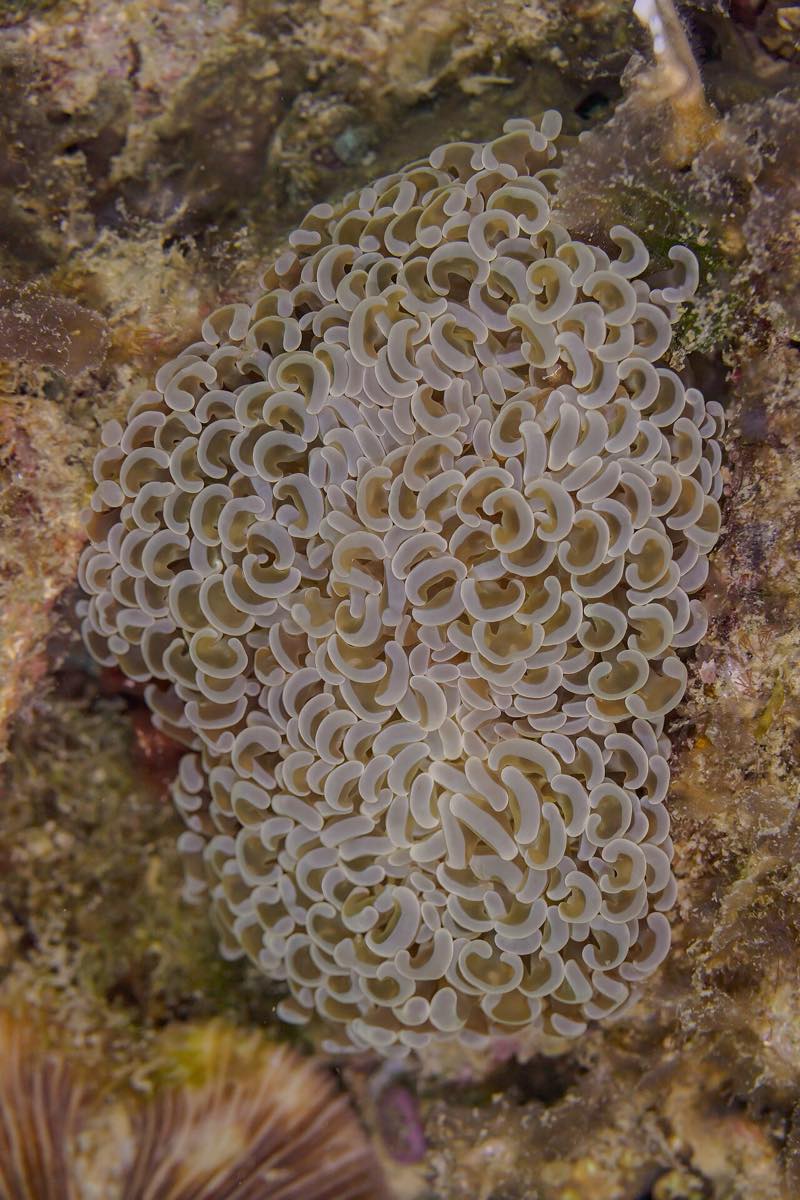
Hammer coral
Fimbriaphyllia ancora (formerly Euphyllia ancora); branching forms include F. paraancora
- Care
- Intermediate
- Light
- Medium
- Flow
- Medium
- Neighbours
- Stings neighbours
Photo Diego Delso, CC BY-SA 4.0
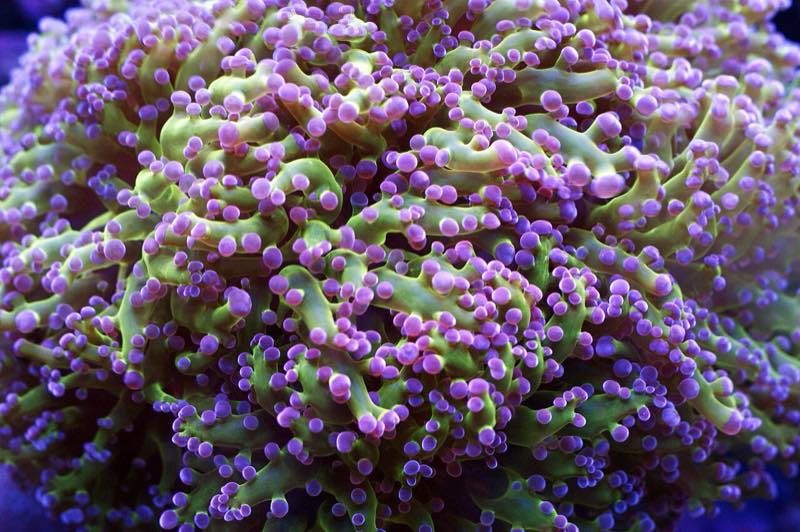
Frogspawn coral
Fimbriaphyllia divisa (formerly Euphyllia divisa)
- Care
- Intermediate
- Light
- Medium
- Flow
- Medium
- Neighbours
- Stings neighbours
Photo Gdiggers, CC BY-SA 3.0
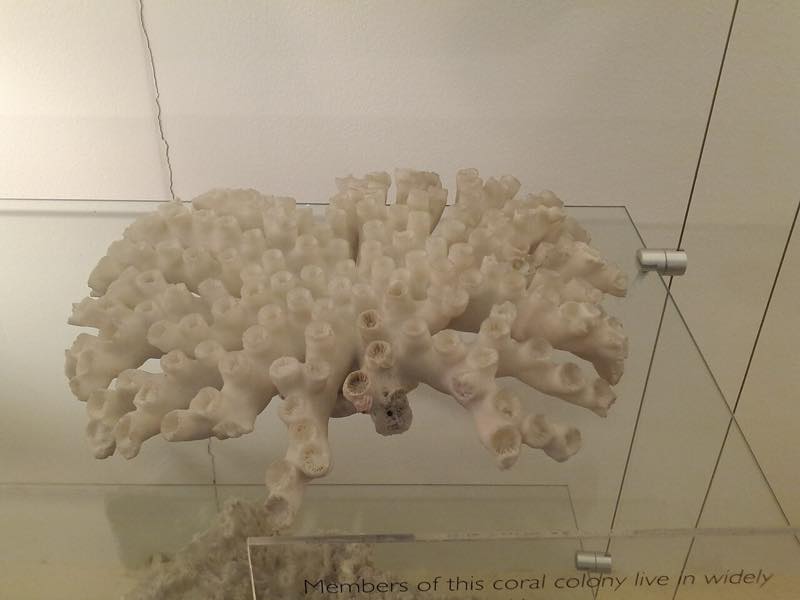
Duncan coral
Duncanopsammia axifuga
- Care
- Beginner
- Light
- Medium
- Flow
- Medium
- Neighbours
- Peaceful
Photo Kinkreet, CC BY-SA 3.0
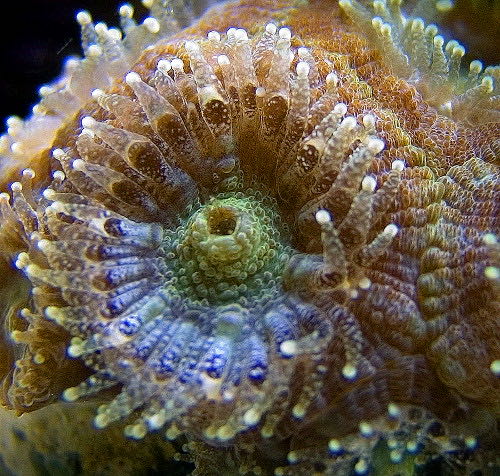
Acan
Micromussa lordhowensis (formerly Acanthastrea lordhowensis)
- Care
- Intermediate
- Light
- Low
- Flow
- Low
- Neighbours
- Spreads or stings mildly
Photo Haplochromis, CC BY 2.5